Rosa Patterson · 7 October 2026
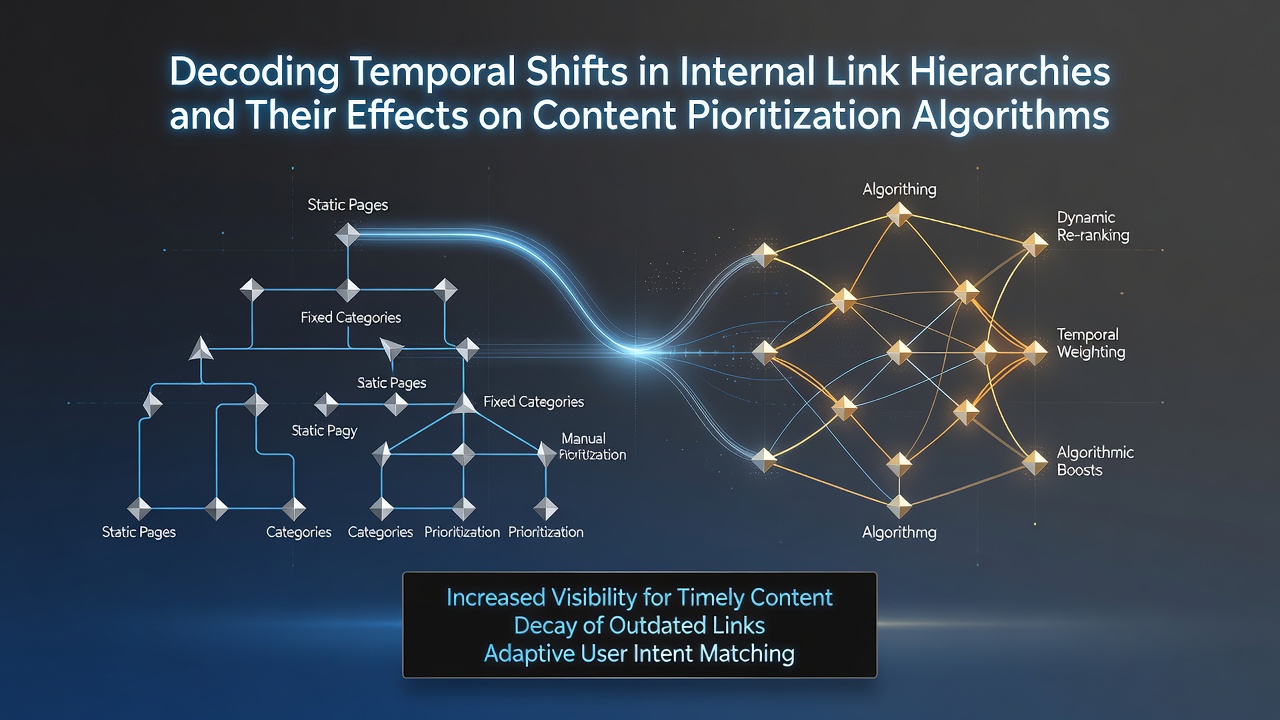
Decoding Temporal Shifts in Internal Link Hierarchies and Their Effects on Content Prioritization Algorithms
Internal link hierarchies form the structural backbone that search engine crawlers use to map relationships between pages on a domain, and these structures rarely remain static because site owners add new content, reorganize categories, and update navigation menus on a regular basis. Researchers have documented how such modifications create temporal shifts that redistribute authority signals and alter the order in which algorithms evaluate and rank individual pages.
How Internal Link Hierarchies Operate Within Prioritization Systems
Search algorithms assign priority scores partly by tracing the flow of internal links from high-authority entry points such as homepages or category hubs down to deeper content pages, and the depth and frequency of these connections determine how quickly new or updated material receives attention during crawl cycles. Studies conducted at institutions across North America and Europe show that pages receiving multiple inbound links from established sections tend to appear earlier in indexing queues than isolated pages that rely on fewer connections.
Content prioritization further depends on the stability of these pathways over successive crawl intervals, since sudden additions or removals of links can change the perceived importance of target pages within the site graph. Observers note that when navigation menus expand to include new product categories, older pages sometimes lose prominent placement and experience measurable drops in crawl frequency as a result.
Patterns of Temporal Change in Link Structures
Websites undergo periodic restructuring that produces measurable shifts in internal link distributions, and data collected from large-scale web archives reveals that most domains experience at least three distinct hierarchy adjustments within any twelve-month window. These adjustments often coincide with seasonal content campaigns or platform migrations that introduce new linking conventions across entire sections.
In October 2026, several industry reports highlighted how e-commerce platforms reorganized product taxonomies in response to updated inventory systems, resulting in wholesale relocation of internal links from legacy category pages to newly created landing pages. The same reports indicated that such moves produced immediate changes in how prioritization algorithms allocated crawl resources during the following indexing phase.
Measured Effects on Algorithmic Prioritization
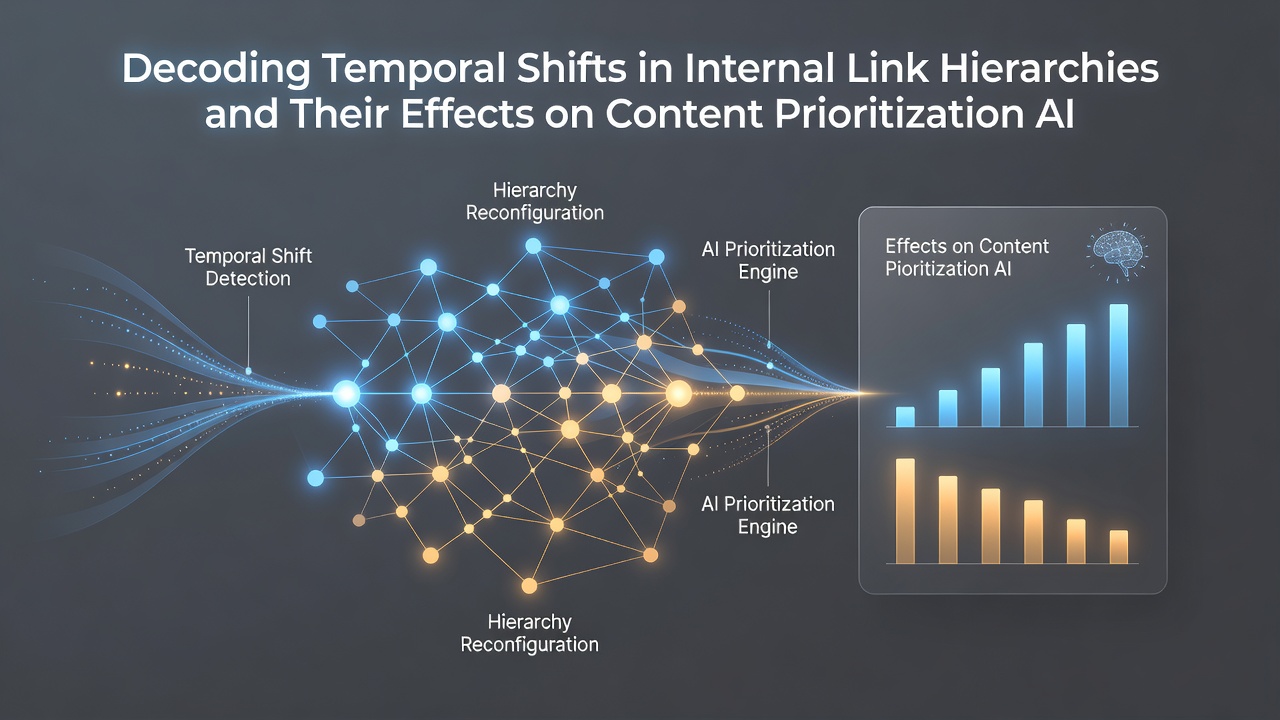
Algorithms recalculate page importance scores after each detected shift in the link graph, and research published by academic groups in Australia and Canada demonstrates that pages losing inbound connections from hub sections can see their crawl intervals extend by several days or weeks. Conversely, pages gaining fresh links from multiple high-traffic areas often receive accelerated indexing and higher positions in result sets for related queries.
But here's the thing: the magnitude of these effects scales with teh number of altered links and the authority level of the originating pages, which means minor footer updates produce smaller disruptions than wholesale menu redesigns. Figures from longitudinal site audits reveal that domains maintaining consistent link patterns across quarterly reviews experience more predictable prioritization behavior from major search engines.
Case Examples from Monitored Domains
One analysis of a mid-sized news site tracked over eighteen months showed that repeated consolidation of archive links into a single mega-category page reduced crawl visits to individual story pages by nearly forty percent until additional contextual links were restored in subsequent updates. A separate study of educational institution websites found that temporal addition of cross-department links improved indexing speed for research paper repositories without requiring external backlinks.
Those who've examined large retail platforms note that seasonal link rotations tied to promotional campaigns create recurring spikes and troughs in prioritization scores, patterns that algorithms appear to accommodate through weighted historical signals rather than reacting solely to the most recent crawl.
Conclusion
Temporal shifts in internal link hierarchies continue to influence how content prioritization algorithms distribute crawl attention and ranking weight across domains, and ongoing data collection from multiple geographic regions confirms that consistent monitoring of these structures helps maintain stable indexing outcomes. Site operators who track link distribution changes alongside algorithm updates can anticipate shifts in page visibility before they compound into larger performance variations.